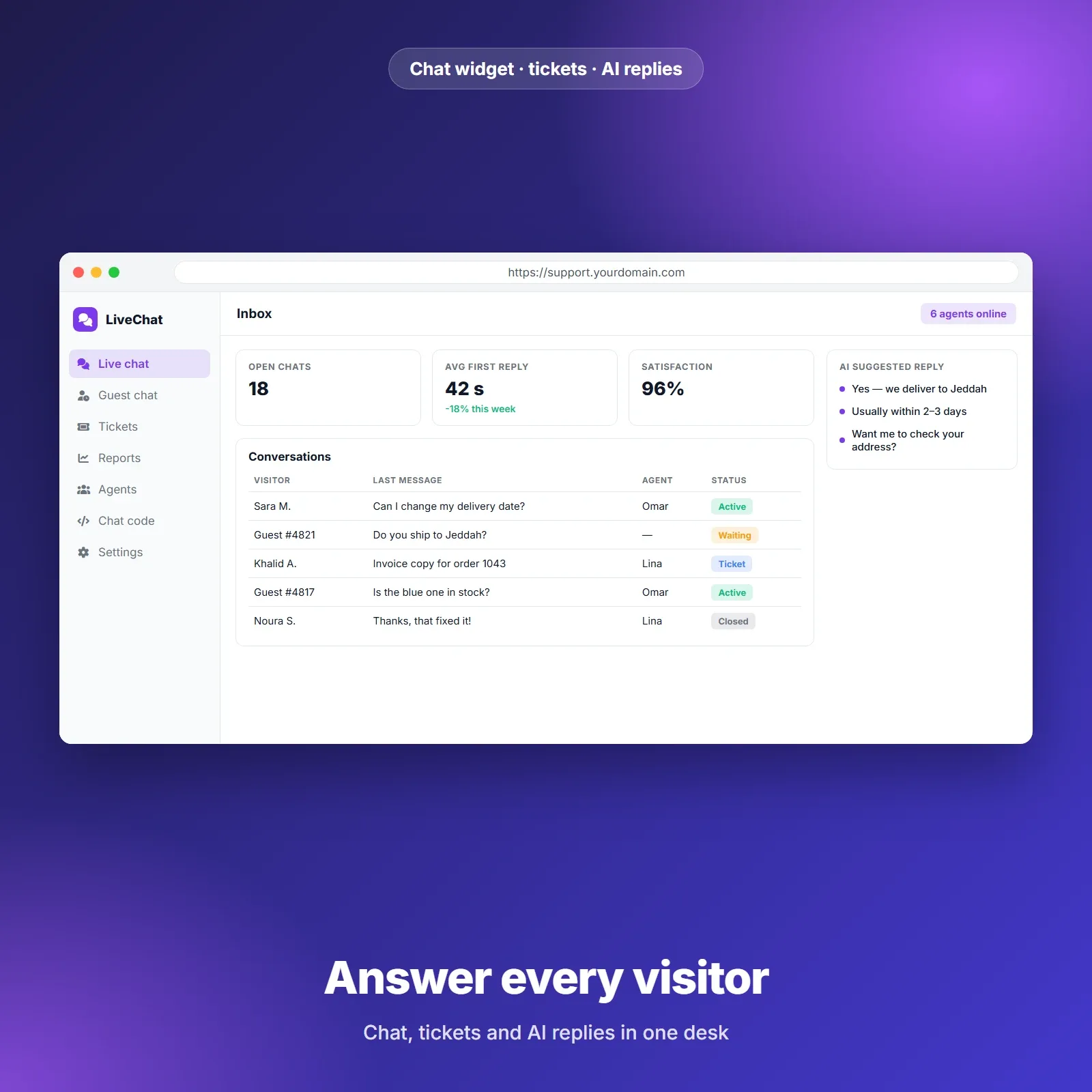
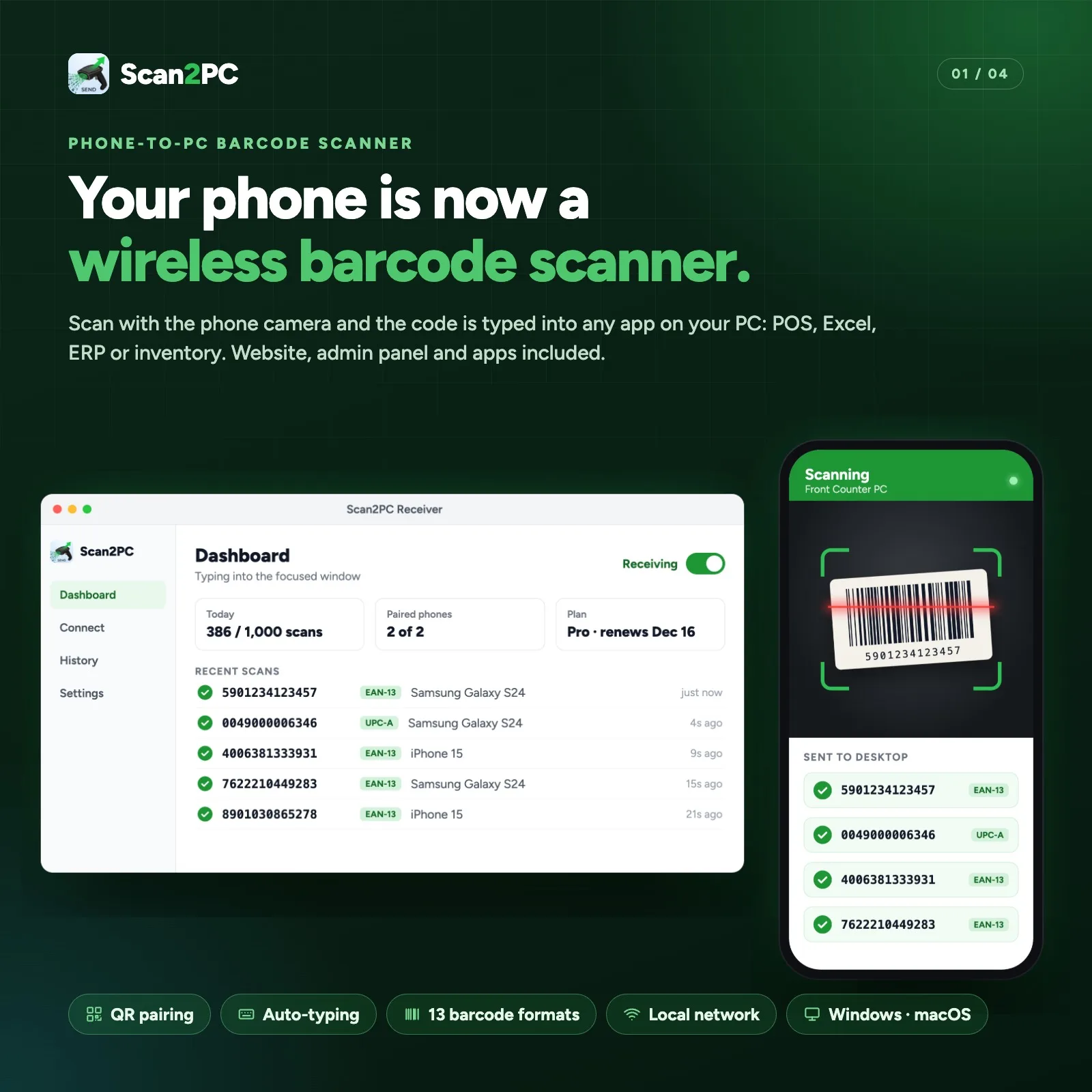
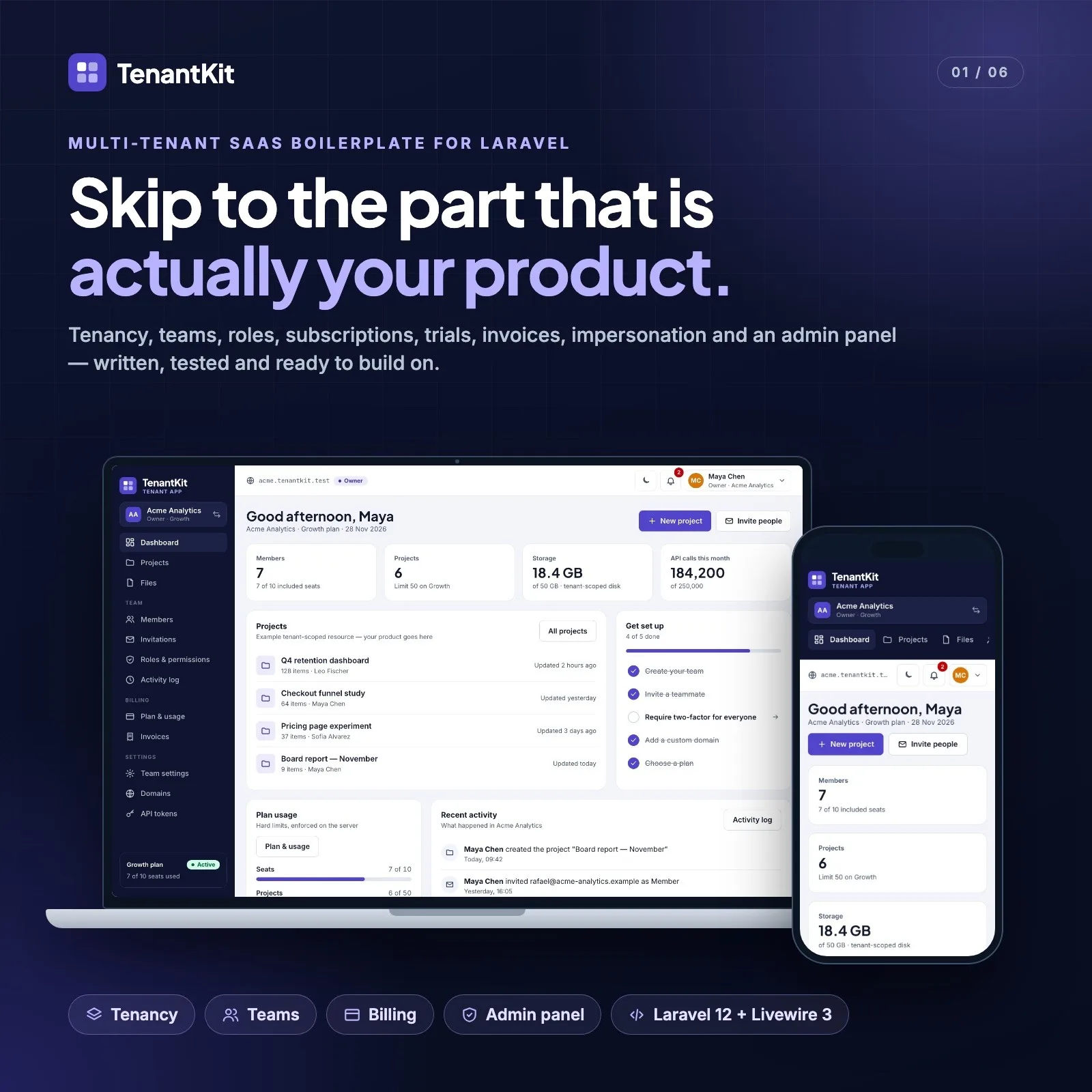
Many accounts, many identities, one control panel
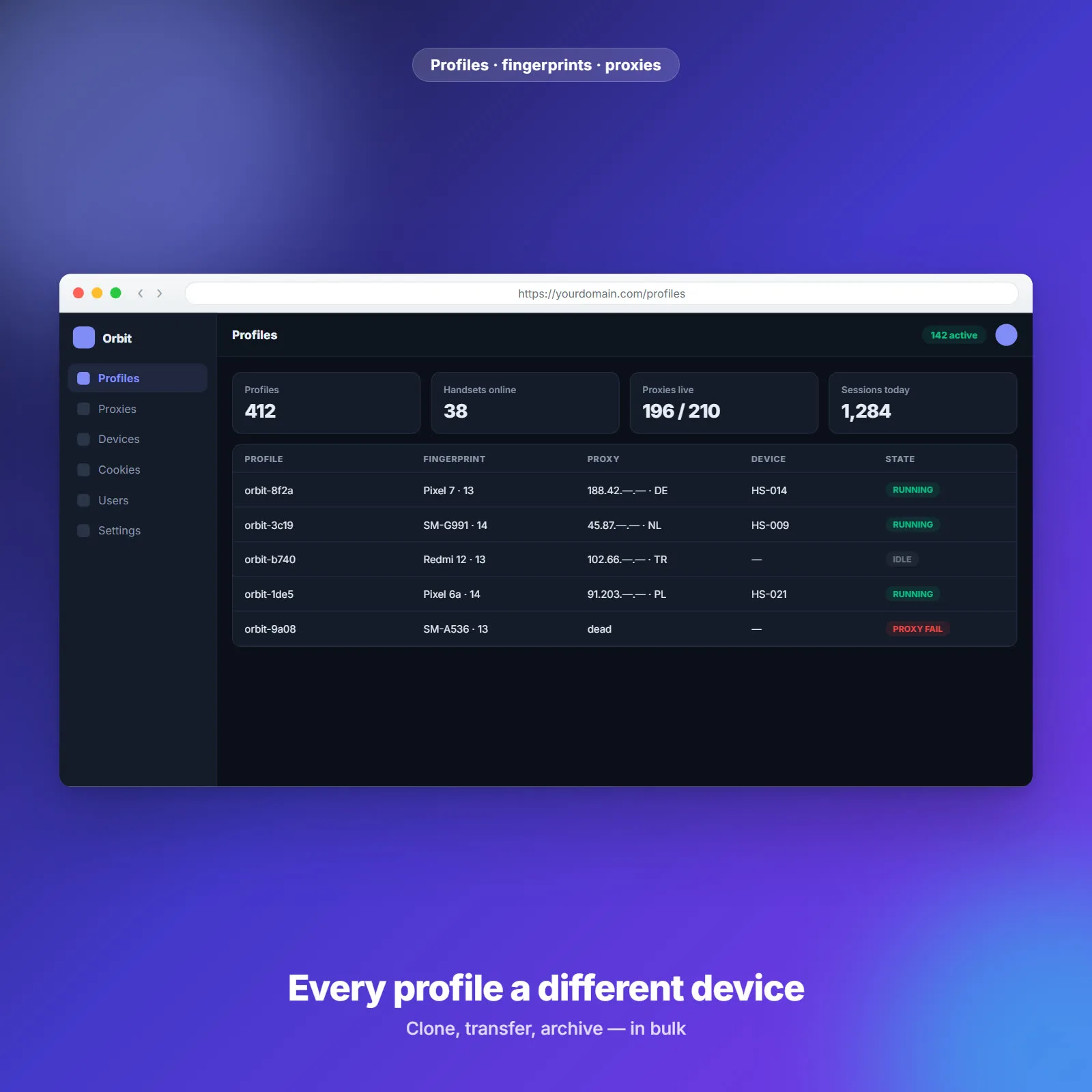
Anyone running multiple accounts on the same platform faces the same problem: the platform can tell it is the same device. Orbit manages a fleet of browser profiles, each with its own fingerprint, its own proxy and its own cookies, and each launched on a real handset rather than a headless container.
Profiles
- Every profile carries its own device fingerprint fields — the identity is data on the profile, not a device setting
- Clone a profile to spin up a near-identical one without rebuilding it by hand
- Transfer a profile between users, with ownership tracked
- Archive instead of deleting, so history survives
- Bulk actions across many profiles at once
- Saved filters, because a fleet of profiles is unusable without them
- Cookie bundles attached to profiles and reused
Proxies
- Proxy records assigned per profile
- Bulk import — paste a supplier's list rather than typing them in
- Testing with results stored as proxy checks, so a dead proxy is visible before it is used
- A live connection check from the profile screen
- Geo defaults resolved from the proxy, so the profile's location story is consistent with its exit node
Device fleet
- Android client that launches profiles, with a REST API of its own (v1)
- QR activation — a device is enrolled by scanning a minted activation code
- Heartbeat, so the console knows which handsets are alive right now
- Remote deactivation and handset revocation — a lost or misused device is cut off from the console
- Launch tokens issued per session rather than long-lived credentials
- Browser sessions recorded per launch
- App release management and in-app package download, so the fleet updates itself
Multi-tenant by construction
Organizations scope everything through a BelongsToOrganization trait applied across the models — one deployment serves several teams without their profiles, proxies or devices ever meeting. ULIDs are used for identifiers rather than sequential integers.
Operations
Fraud scoring, maintenance mode, user activation flow, and app configuration served to clients from the console.
Stack
- Backend: Laravel, PHP 8.2+, Sanctum for API tokens
- Client: Android, talking to the versioned v1 API
- Identifiers: ULID throughout
What you get
The Laravel console and the Android client in full source, with migrations and the API documentation.
 Paid